New Construction in Plymouth: A Buyer’s Guide
Check Plymouth development plans, lot conditions, builder specifications, full purchase costs, and the steps between signing and move-in.

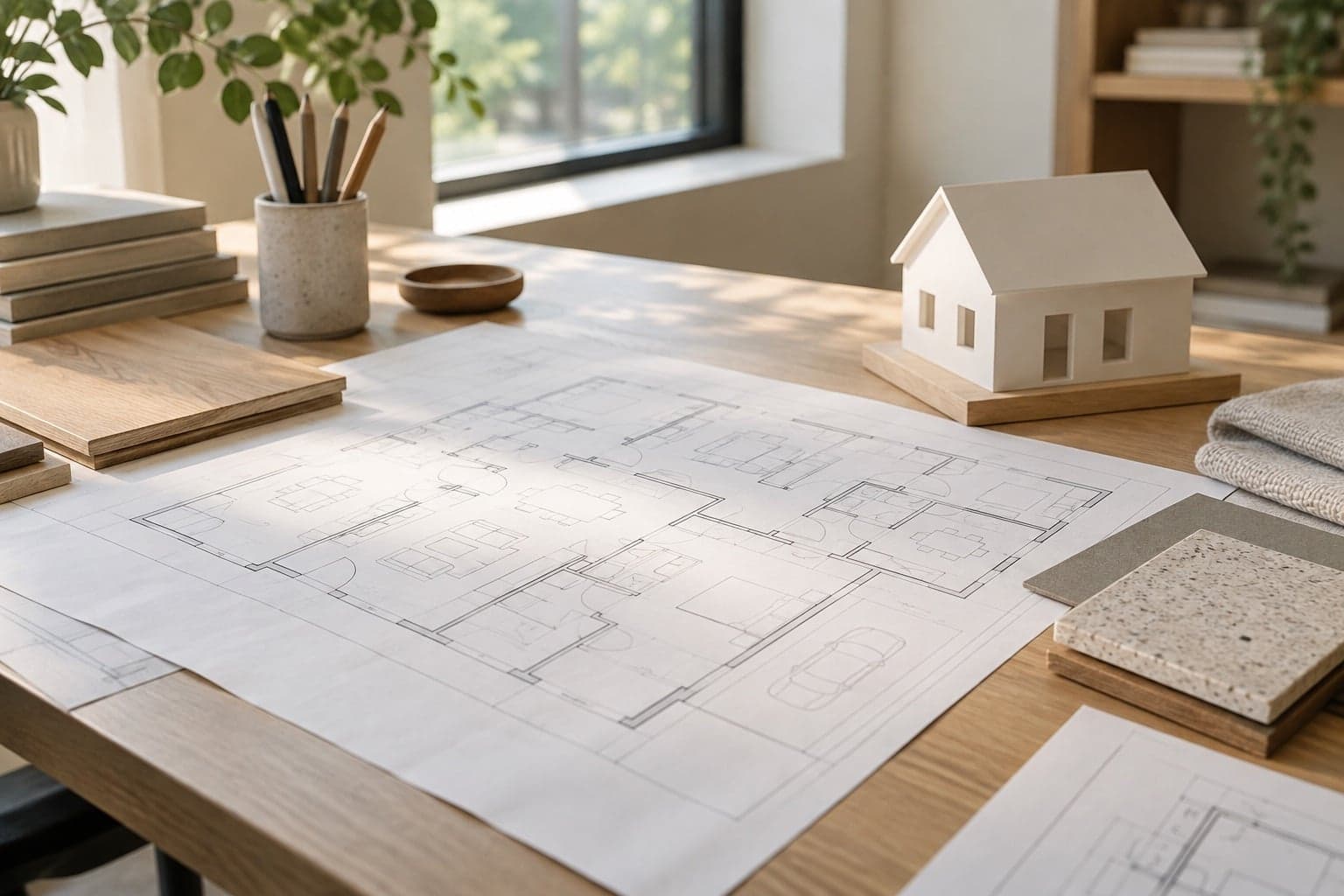
AI-generated editorial illustration of a house model, architectural drawings, and material samples; not a real development plan.
Illustration: OpenAI image generation · Generated assetBefore choosing a new Plymouth home, establish what the city has approved, what the builder will deliver, and what the complete purchase will cost. A model home or development announcement answers only part of that question. Use the planning examples and checklist below to evaluate a specific home or lot.
At a glance
Guide highlights
- Planning approval, building progress, and current sales availability are separate facts.
- Hollydale and Plymouth Plaza illustrate different housing types; the cited records do not establish current inventory.
- Compare full specifications, lot conditions, financing terms, inspection access, and warranty procedures before signing.
01
Start with the kind of new home you want
A completed inventory home, a home under construction, and a build-to-order contract involve different decisions. With a completed home, you can inspect the actual layout and finishes. With a home under construction, some choices may already be fixed. With a future build, your decision depends more heavily on plans, specifications, selections, and the contract’s treatment of changes.
Create a short brief before visiting models: desired move date, complete budget, layout requirements, lot preferences, maintenance expectations, and any school requirement you have chosen. A model is a useful demonstration, but ask which features and finishes are included in the quoted home. Keep a written list of everything you like that costs extra.
For the broader choice between attached housing and a detached home, use the Plymouth townhome comparison. For a district-specific search, the Wayzata district buying guide explains how to keep school verification alongside property due diligence.
02
Read city planning records before treating a rendering as a promise
Plymouth’s Planning Division links zoning information, property tools, and meeting materials. The city describes the Planning Commission as reviewing development applications and making recommendations to the City Council. A proposal, a recommendation, and council approval are different stages.
For a specific lot, ask planning staff for the relevant application number, approved plan, conditions, and later amendments. Match the lot to the plat and ask what the plans show for nearby streets, future phases, open space, and stormwater features. Read the dated approval, not just a marketing map with attractive green areas.
Keep these questions separate: What is approved on the site? What permits have been issued for this house? What has the builder agreed to deliver? A city approval cannot answer whether a particular lot is still for sale or whether a seller can meet your preferred closing date.
03
Two verified Plymouth examples and what they actually establish
Hollydale: A Plymouth staff report dated May 24, 2022 records that the City Council approved a preliminary plat in June 2021 with 229 new-home lots, an existing-home lot, and a private association amenity lot. It also records first-phase final plat approval in August 2021. This is documented development history, not a statement that 229 homes or any particular lot are available today.
Plymouth Plaza, 1455 County Road 101: The city’s redevelopment page reports council land-use approvals on November 25, 2025 for redevelopment including a 195-unit apartment building and new commercial space. This is an apartment and retail example, not an inventory of detached homes for purchase.
For any development, record the housing type, approval stage, document date, and exact location. These city sources were reviewed September 22, 2026. Obtain current availability, prices, and delivery terms from the seller for the home or lot you want.
04
Investigate the lot as carefully as the floor plan
Ask for the survey or lot plan and have the builder explain grading, drainage, easements, setbacks, and the proposed house position. Identify where you expect a patio, fence, play area, garden, or future addition. Ask planning staff and the relevant document reviewer whether those ideas fit the actual restrictions rather than assuming a large-looking yard is fully usable.
Walk or view the site from the rooms that matter: kitchen, main living area, bedrooms, and outdoor space. Consider driveway slope, winter snow storage, window orientation, construction access, and the location of neighboring homes. If a view or open area matters, establish who owns it and what recorded or approved plans apply.
Ask who maintains any shared landscaping, private street, stormwater feature, or amenity. Review association documents if applicable. Then verify the exact school address and intended year using the Plymouth district lookup guide; a subdivision name alone is insufficient.
05
Compare the complete price and financing terms
Build an itemized comparison: base home, lot charge, structural options, design selections, appliances, lower-level finish, outdoor work, association charges, and any separate buyer-paid items. Ask the builder to mark each item included, optional, excluded, or still estimated. A headline starting price is difficult to compare until the specifications match.
If an incentive depends on a lender or closing arrangement, request the terms in writing and compare the entire financing offer. The CFPB’s Loan Estimate guidance recommends comparing the same loan type and checking the rate-lock status and expiration. Ask what happens to the lock and costs if construction takes longer.
Obtain a property-specific ownership budget from the lender, insurer, and applicable tax records. Ask whether a displayed tax figure reflects vacant land, partial construction, or the completed home. Treat an estimate as an estimate. A home-value review can also help compare the proposed package with relevant completed sales without assuming every upgrade returns its cost.
Swipe across to read the full table →
| Question | Best starting evidence | Follow-up |
|---|---|---|
| What may be built here? | Approved plans, conditions, plat | Ask city planning about amendments |
| What am I buying? | Signed plans and specification schedule | Reconcile the model with included features |
| What is the complete price? | Itemized quote and written incentives | Identify allowances and excluded work |
| Is this home ready? | Permit history and inspection status | Confirm remaining work and approvals |
| Who handles defects? | Contract, statutory guidance, warranty | Record notice and service procedures |
| When can I move? | Contract and current construction schedule | Plan for delayed possession |
06
Separate builder selection, city inspections, and your own review
Use Minnesota’s Department of Labor and Industry contractor resource to check licensing information for the contracting business. Confirm the legal name on the purchase or construction agreement and who is responsible for completing the work and responding to service requests.
Plymouth’s Permits and Inspections page links property permit history and describes inspections during construction. Ask for the permit status, required remaining inspections, and final approvals. Separately discuss opportunities for an independent inspection and any pre-drywall visit with your inspector and transaction team; document access and timing in the agreement.
Read the contract for specifications, substitutions, allowances, change-order pricing, payment timing, completion provisions, and remedies. Have unclear legal terms reviewed before signing. A verbal understanding at the model should become a written term if your purchase depends on it.
07
Plan the handoff and the first year
Minnesota provides statutory new-home warranties under section 327A.02, with different coverage periods for specified defects. The details, exclusions, notice requirements, and remedies matter. Obtain the builder’s written warranty and service instructions, and use the Attorney General’s construction-contract guide to understand what to review with qualified advisers.
At the walkthrough, record unfinished work and specific concerns with locations and photographs. Ask who owns each follow-up item and when it will be addressed. Collect equipment instructions, finish information, service contacts, and applicable approvals. Discuss any unfinished seasonal work with your closing professional rather than assuming a handshake creates an adequate arrangement.
Leave room in the moving plan for actual completion and possession. Coordinate utilities, insurance, school enrollment, storage, and any temporary housing around confirmed dates. The moving to Plymouth guide provides the wider relocation checklist; include a backup plan if construction changes the move date.
Planning note
A strong new-construction comparison ties the lot, written specifications, complete cost, and move date together. Keep every important promise attached to the actual home and the appropriate document.

Keep your Plymouth research moving
Connect this question to the whole move.
Use these related guides to organize the remaining questions, then talk through the details of a specific home.
Frequently asked questions
Where do I find approved Plymouth residential development plans?
Are the development examples in this guide currently selling homes?
Is a model home’s price the cost of the home I will receive?
Does a city inspection replace a buyer’s inspection?
Do Minnesota new homes have warranties?
Sources and verification
These are the public sources used for facts that can change. For an address-specific decision, verify the current details before you act. Read our research standards.
- Plymouth — Planning Division and development review
- Plymouth — May 24, 2022 Hollydale staff report
- Plymouth — Plymouth Plaza redevelopment
- Plymouth — Permits and Inspections
- Minnesota DLI — residential contractors and license checks
- Minnesota Revisor — section 327A.02 statutory warranties
- Minnesota Attorney General — building contracts and warranties
- CFPB — comparing Loan Estimates
Written by
Bryce CaldwellBryce Caldwell is a RE/MAX Results agent who knows the Lake Minnetonka corridor and the Twin Cities west metro. Full-time since 2022 with a 5.0 Zillow rating across 27 reviews, he gives buyers and sellers honest, no-pressure guidance — and writes these guides.
Keep reading
Keep exploring Plymouth
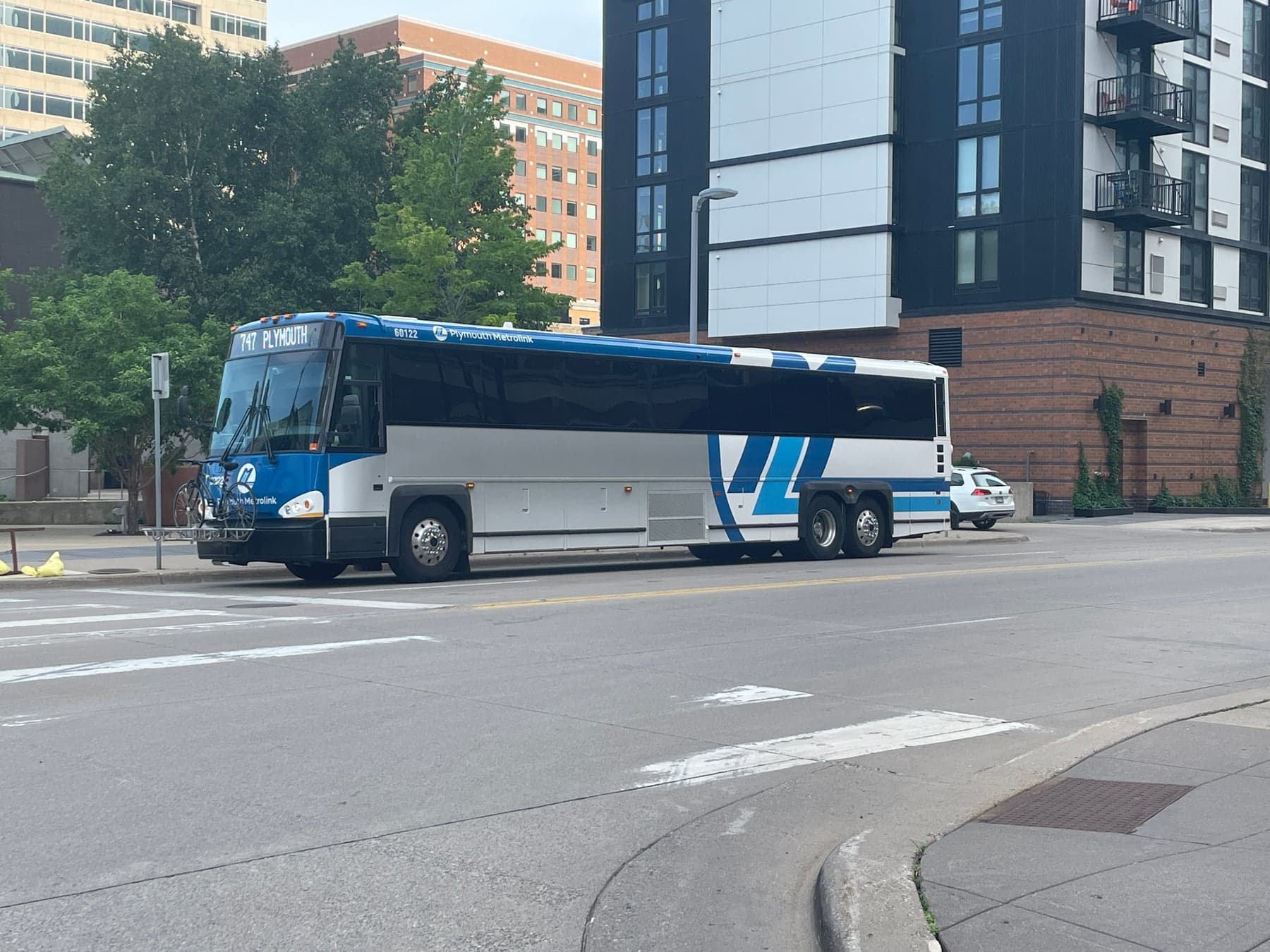 Photo: Eóin · CC BY-SA 4.0
Relocation / 8 min read
Plymouth to Minneapolis Commute: Routes, Transit and a Homebuyer's Checklist
Compare driving and transit from a Plymouth home, including Metrolink routes, park-and-ride locations, Click-and-Ride, and the return trip.
Read the guide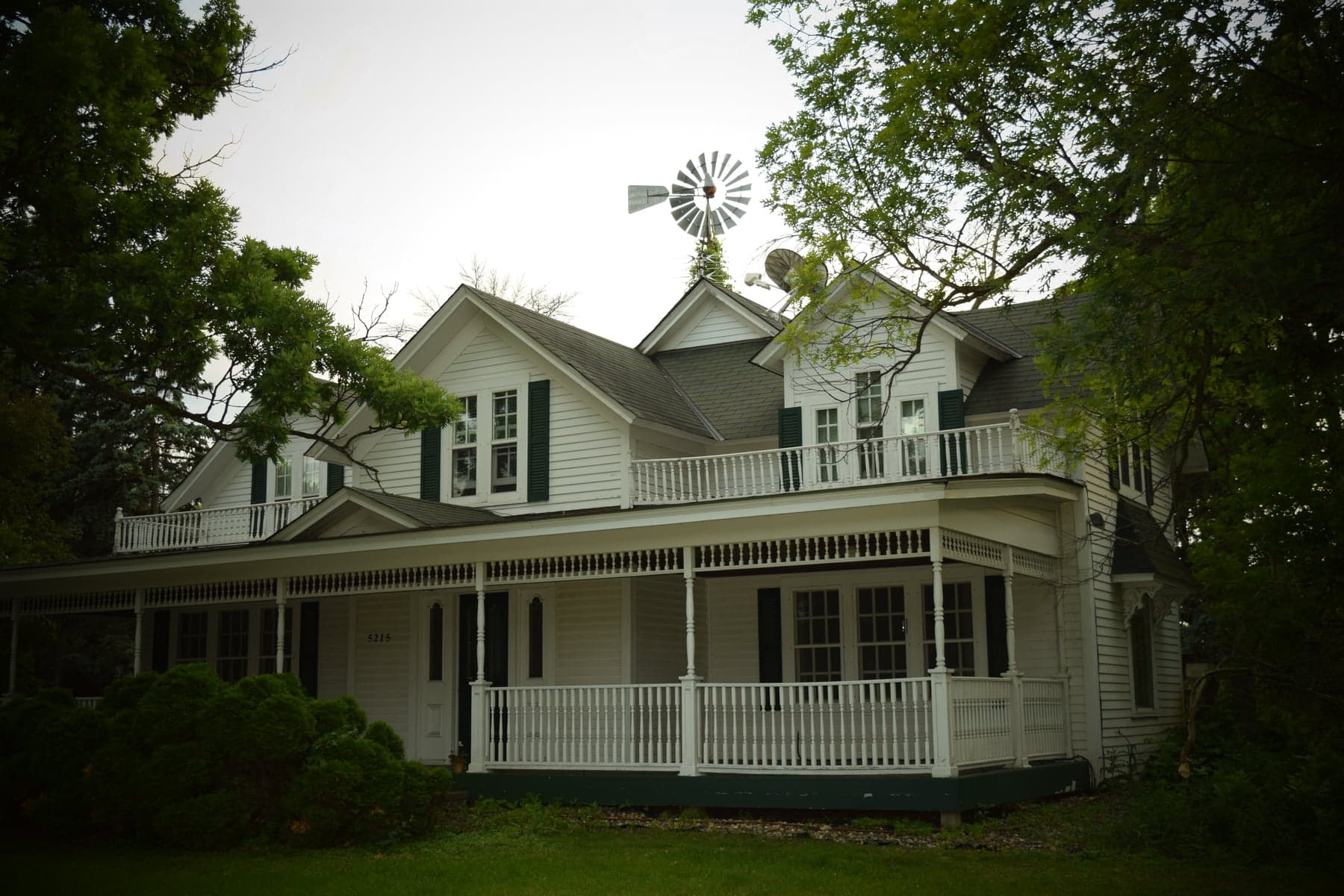 Photo: RococoLouise · CC BY-SA 4.0
Seller guide / 8 min read
Selling a Home in Plymouth, MN: A Practical Plan
Prepare your Plymouth home for sale, build a defensible price range, compare offers, and organize the records needed for closing.
Read the guide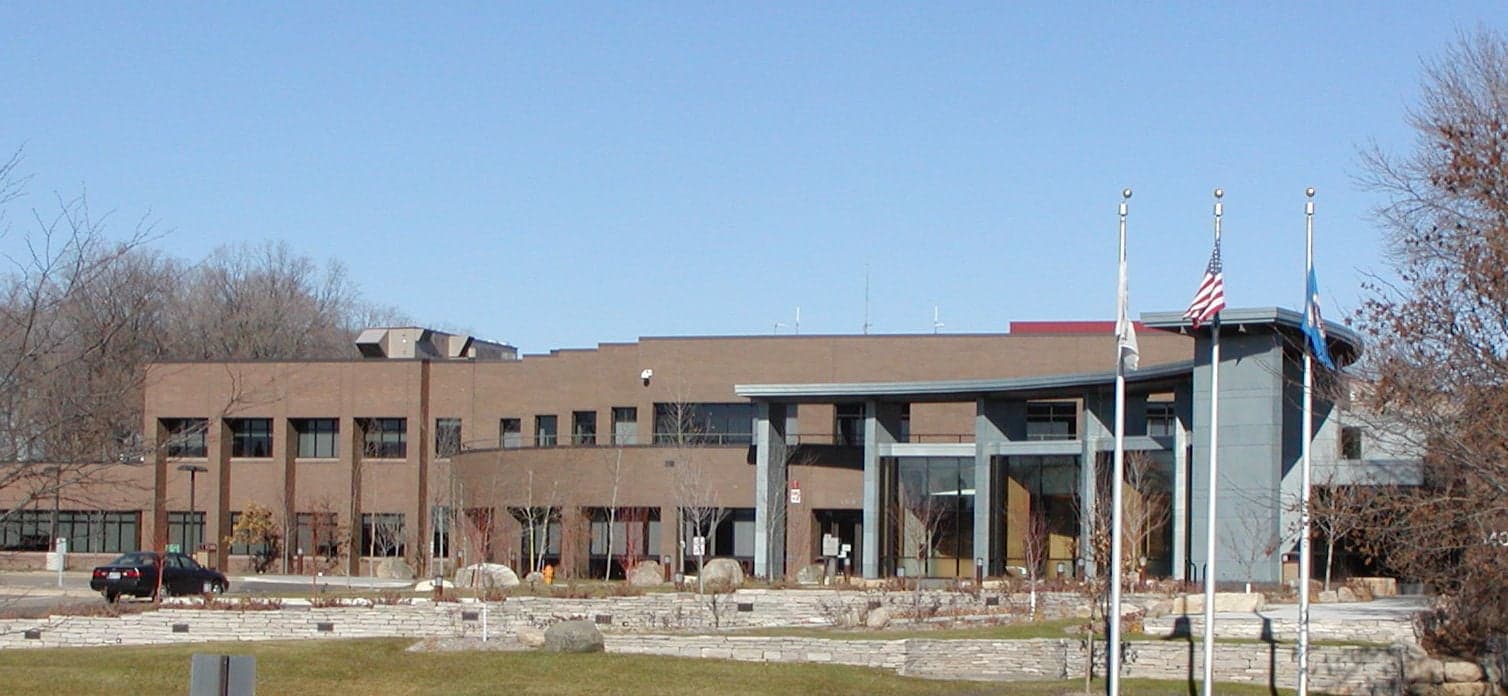 Photo: William Wesen · Public domain
Homeownership / 8 min read
Plymouth Property Taxes and Assessments Explained
Find Plymouth tax records, distinguish assessed and taxable values, check special assessments, and match each figure to the correct year.
Read the guide