Buying in the Wayzata School District
Turn a Wayzata school-district preference into a Plymouth home search that also fits your budget, daily routine, and move date.


Aerial view of Wayzata High School's campus and athletic fields in Plymouth, Minnesota.
Photo: Bspor.88 · CC0If Wayzata Public Schools is one of your home-search requirements, confirm the address and then compare the property’s price, condition, layout, and daily routes. Closing, possession, and enrollment also need to work together. This guide helps you build that purchase plan; the separate address guide provides the school lookup tools.
At a glance
Guide highlights
- A Wayzata district preference should be verified for each address and kept separate from optional program placement.
- Compare property-specific sold evidence rather than assuming a fixed school premium.
- Coordinate condition, total ownership cost, possession, and enrollment before committing to the move.
01
Define the home search before drawing the school boundary
Write down the requirements that make a property workable: maximum total monthly cost, bedrooms actually needed, stairs, garage space, commute, maintenance capacity, and move date. Then add the school requirement you have selected. Distinguish the resident district from a particular elementary or middle school, and from access to an optional program. Those are different search constraints.
Wayzata’s enrollment guidance says school assignment is based on home address and describes separate transfer and open-enrollment processes. A search tagged “Wayzata schools” is a lead to investigate. It is not district confirmation. Use our Plymouth school district address guide to complete that check for a shortlist.
Plymouth also includes addresses served by Robbinsdale, Osseo, and Hopkins. Keep your stated preferences in control of the search. The Plymouth schools guide offers official comparison resources without assigning one district to every buyer.
02
Separate district eligibility from the home’s everyday fit
After verifying an address, tour it against the same practical requirements as any other home. Walk from the garage to the kitchen with groceries in mind. Check where coats, sports equipment, laundry, and work supplies would go. Look at the bedroom arrangement and the distance between living spaces rather than relying on total square footage.
Test your likely work trip at the time you would actually travel. Add the trips that repeat during a normal week: care programs, activities, appointments, and shopping. A home that meets a school boundary preference can still create an impractical daily routine. Ask the district about transportation separately; a short drive on a map does not establish a bus route.
For a property with shared maintenance, read the townhome versus single-family comparison. For a home still being built, use the Plymouth new-construction guide to evaluate the lot, specification, and delivery schedule.
03
Compare sold homes without inventing a school premium
A school-district label does not establish a property’s value by itself. Build a comparison from recent sales with similar home type, size, condition, age, usable space, and lot characteristics. Record verified school assignment as one property characteristic. Two homes on opposite sides of a boundary may differ in many other ways, so their price difference does not isolate a school effect.
Hennepin County’s property information search supplies parcel, assessment, tax, and sales information. Use it to cross-check the property identity and sale history. Ask for additional evidence about renovations, concessions, and condition before treating a sale as a close comparable.
Request a written explanation of the strongest comparable sales and the adjustments being considered. A property-specific value review can organize that conversation. If a suggested price includes a school-district premium, ask which comparable sales support it and how other property differences were accounted for.
04
Build a budget that survives the first year
Use a lender’s estimate for the loan and property-specific quotes for insurance. Add the latest tax information, association charges if any, utilities, maintenance, and immediate work. The Consumer Financial Protection Bureau’s budgeting guidance includes these ownership costs and recommends room for unexpected expenses.
Keep three budget lines: monthly obligations, cash needed at closing, and reserves after closing. Put inspection findings into the reserve plan until you have a repair estimate and an agreement about who handles the work.
If you are selling another home, map the timing of both transactions before relying on proceeds from the sale. Ask the lender and closing professional how a later sale, changed closing date, or different loan amount affects the plan. Use actual terms and dates rather than a generic affordability calculator as the final decision input.
05
Inspect the property even when the location fits
Collect the seller’s disclosures, available repair records, and permit history. Plymouth’s Permits and Inspections page links My Property Info for address-level permit and inspection records. A record can help identify work to ask about; it does not establish the present condition of the entire home.
Ask the inspector to explain findings in terms of urgency, likely next investigation, and the specialist needed. Focus on the house in front of you: moisture observations, roof condition, drainage, mechanical equipment, electrical concerns, and changes to finished space. Obtain qualified follow-up where indicated instead of translating every finding into a guessed repair allowance.
Treat the offer’s inspection, financing, and other deadlines as a coordinated schedule. Have your agent or attorney explain the actual contract provisions and available options before signing. School certainty should not crowd out the separate work of understanding the building, title, financing, and possession terms.
06
Coordinate possession and enrollment
Prepare three dates: contractual closing, possession, and intended student start. They may differ. Ask the district which documents establish residence for your situation and when they can process enrollment. If temporary housing or a delayed build is possible, explain that specific scenario to the Welcome Center instead of assuming a purchase agreement answers every enrollment question.
For an existing student, use the district’s change-of-address process and ask whether the move changes assignment or transportation. For a new student, confirm the enrollment steps and any separate care or program applications. Keep the district’s response with the address, grade, school year, and date of confirmation.
Before removing contract conditions or fixing a moving date, check whether the plan still works if possession slips or an optional school placement is unavailable. The moving to Plymouth guide helps coordinate the broader move.
Swipe across to read the full table →
| Decision | Evidence to save | Keep unresolved until |
|---|---|---|
| School requirement | District reply naming address, grade, year | District confirms assignment |
| Daily fit | Tour notes and actual route test | Layout and schedule work for you |
| Price | Relevant sold-home comparison | Differences are explained |
| Ownership cost | Lender estimate, tax record, insurance quote | Recurring and immediate costs fit |
| Condition | Inspection and specialist follow-up | Material questions are answered |
| Timing | Closing, possession, enrollment plan | Dependencies and alternatives are clear |
07
Use the final comparison to choose the home
Compare your finalists in one worksheet. Mark each requirement as confirmed, unresolved, or unacceptable, and name the source of each answer. Do not average away a nonnegotiable: an attractive kitchen does not resolve an unaffordable payment, and a district confirmation does not resolve a major condition question.
Choose the property that satisfies the priorities you set with a workable purchase timeline. If no current option does, revise the optional features or timing deliberately. A documented search makes that decision easier than repeatedly stretching the budget whenever a home carries the desired school label.
Planning note
Start with the requirements you choose, verify the address, and compare the homes with the same budget and condition checklist. The right property needs to work on an ordinary weekday as well as on the day you tour it.

Keep your Plymouth research moving
Connect this question to the whole move.
Use these related guides to organize the remaining questions, then talk through the details of a specific home.
Frequently asked questions
Can I search Plymouth homes by Wayzata school district?
Does the Wayzata district name justify paying more for a home?
Should I confirm enrollment before making an offer?
What if new construction is delayed past the start of school?
Can a townhome meet a Wayzata district search requirement?
Sources and verification
These are the public sources used for facts that can change. For an address-specific decision, verify the current details before you act. Read our research standards.
Written by
Bryce CaldwellBryce Caldwell is a RE/MAX Results agent who knows the Lake Minnetonka corridor and the Twin Cities west metro. Full-time since 2022 with a 5.0 Zillow rating across 27 reviews, he gives buyers and sellers honest, no-pressure guidance — and writes these guides.
Keep reading
Keep exploring Plymouth
 Photo: Tony Webster · CC BY 2.0
Neighborhood guide / 8 min read
Plymouth Parks and Trails: How to Compare Nearby Homes
Find the right entrances at French, Parkers Lake, and Eagle Lake, then compare the routes and seasonal access from nearby Plymouth homes.
Read the guide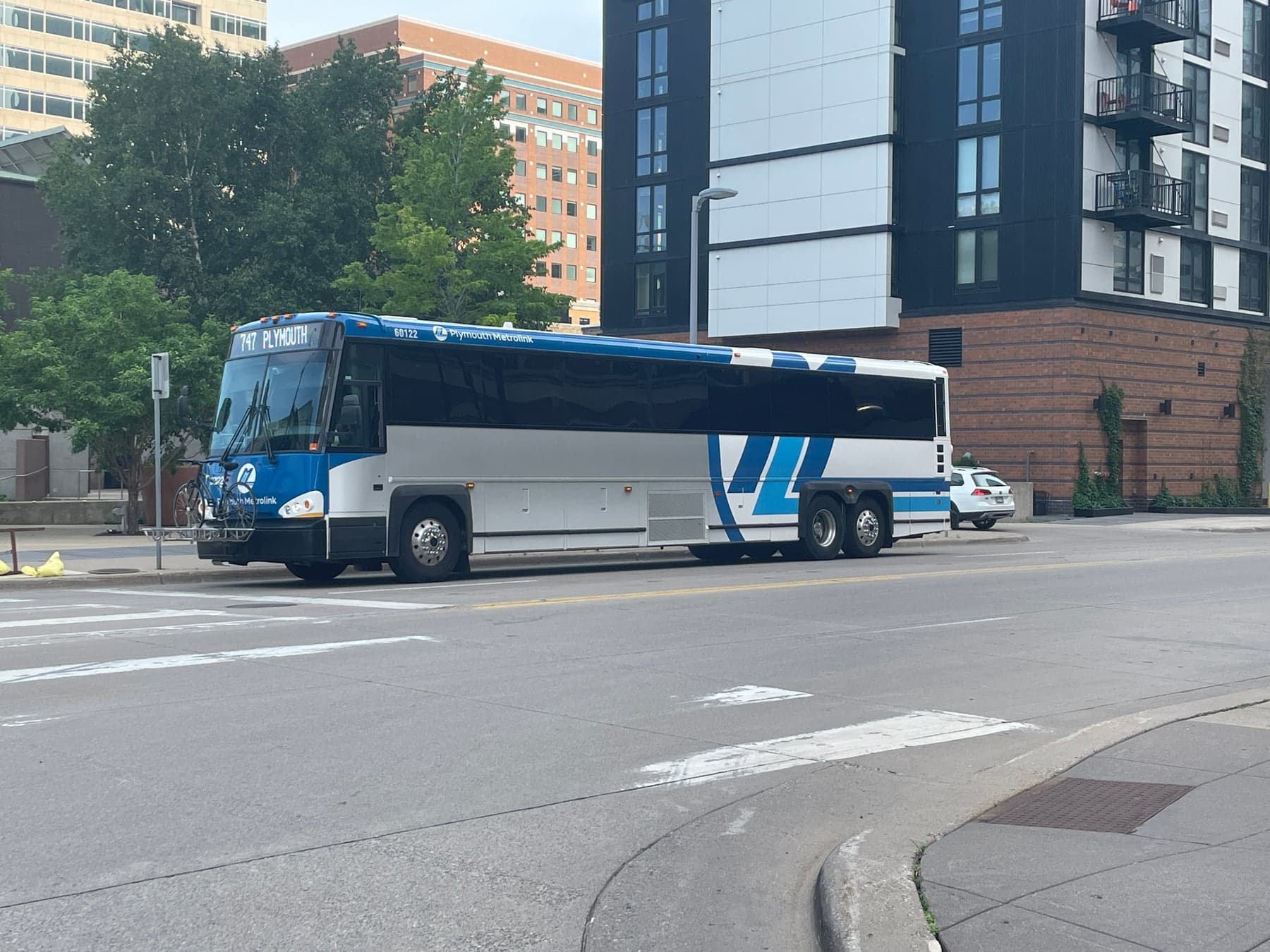 Photo: Eóin · CC BY-SA 4.0
Relocation / 8 min read
Plymouth to Minneapolis Commute: Routes, Transit and a Homebuyer's Checklist
Compare driving and transit from a Plymouth home, including Metrolink routes, park-and-ride locations, Click-and-Ride, and the return trip.
Read the guide Photo: RococoLouise · CC BY-SA 4.0
Seller guide / 8 min read
Selling a Home in Plymouth, MN: A Practical Plan
Prepare your Plymouth home for sale, build a defensible price range, compare offers, and organize the records needed for closing.
Read the guide