Selling a Home in Plymouth, MN: A Practical Plan
Prepare your Plymouth home for sale, build a defensible price range, compare offers, and organize the records needed for closing.

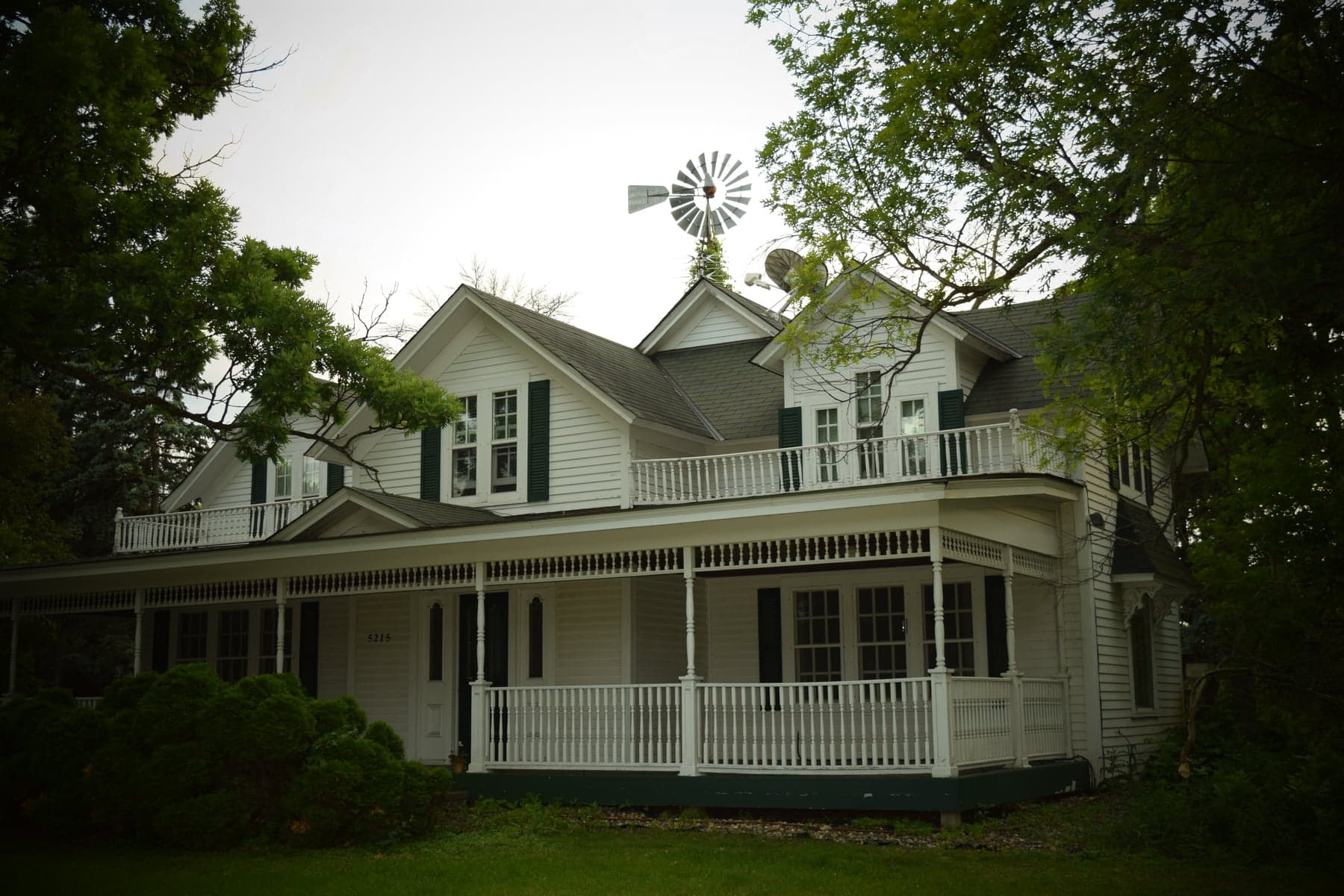
Historic white farmhouse in Plymouth with a wraparound porch and windmill, photographed in June 2026
Photo: RococoLouise · CC BY-SA 4.0A Plymouth home sale needs a plan for three decisions: what to do before listing, how to set the price, and which offer fits your move. Start with the property records and your possession timeline. Then use the steps below to organize preparation, marketing, disclosures, and closing.
At a glance
Guide highlights
- Start with the exact parcel and a realistic move plan.
- Price against documented comparable properties, not a generic Plymouth estimate.
- Verify school and property claims before marketing.
- Compare offers by proceeds, obligations, timing, and contingencies.
01
Start with the move you need to make
Write down your desired possession date, the earliest practical listing date, and what must happen before you can move. A replacement purchase, storage plan, school-year transition, accessibility need, or job start can change which offer works. Keep these constraints visible while comparing price, contingencies, financing, and closing dates.
Build a calendar backward from your preferred move, but leave the preparation and contract periods unpromised. Contractor availability, document questions, buyer financing, and negotiation can change the schedule. If you are staying nearby, use the moving-to-Plymouth guide to research your next address independently of the home you are selling.
02
Assemble the property file before planning improvements
Start with the exact parcel in Hennepin County property information. Save the property identification number, current tax statement, recorded property details, and the date of your lookup. Add your own improvement receipts, warranties, service records, association documents where applicable, and any surveys or title documents you already hold. Resolve inconsistent information before repeating it in marketing.
Check Plymouth permit and inspection records for work completed on the property. A receipt and a permit record answer different questions; ask the City about missing or open inspections rather than describing an improvement as fully approved from memory. Also review Plymouth special assessments. Use the tax and assessment guide to organize follow-up questions, including possible balances that need closing-date confirmation.
03
Separate necessary work from optional presentation spending
Create three preparation lists: documented defects or unresolved questions, ordinary cleaning and maintenance, and optional cosmetic changes. Request a written scope and price for work you are considering. Compare its cost, disruption, completion risk, and likely usefulness to buyers before making it a condition of listing. A new finish does not establish a guaranteed return on spending.
For example: a leaking fixture needs qualified diagnosis; stored items blocking a room need a clearing plan; dated but functioning cabinets call for a cost-versus-marketing discussion. Photograph existing conditions and keep documentation for completed work.
Swipe across to read the full table →
| Workstream | Record or decision | Ready when |
|---|---|---|
| Property file | Parcel, taxes, improvements, permits | Discrepancies have a named follow-up owner |
| Preparation | Required work and optional projects | Scope, quote, and schedule are documented |
| Pricing | Comparable sales and current competition | Range and review date are explained |
| Marketing | Photos, measurements, school wording | Facts and showing arrangements are checked |
| Contract and move | Offer terms, proceeds, possession | Obligations and dates are recorded |
04
Price from comparable evidence and a review plan
The Minnesota Attorney General’s pricing guide discusses using market comparisons and the risks of starting too high. Ask for the actual sales behind a recommended range: closing date, property type, size, condition, lot, location, and concessions when known. Active asking prices describe competition; they do not prove what a buyer has paid.
Keep an evidence column beside each adjustment. If one home has a newer interior or a different lot setting, explain why that difference matters instead of applying a universal dollar rule. Set a review date and decide which evidence will justify changing price or presentation. A Plymouth home-value review can focus this work on your address, without turning an assessment or automated estimate into a sale guarantee.
05
Make the marketing accurate and useful
Prepare clear photographs, room descriptions, a reliable showing plan, and a concise record of improvements with dates you can support. Describe observable features and documented access. Distinguish the property itself from nearby public amenities; proximity to a lake or trail does not establish private rights. Confirm measurements and the source of each listing field before approving the final description.
School wording deserves particular care in Plymouth. Use the school district address guide to verify the resident district and ask the district about current assignment. The Plymouth schools guide helps explain the broader choices. Market the documented location and available resources rather than promising an enrollment result or making assumptions about who should buy the home.
06
Prepare disclosures before an offer becomes urgent
Minnesota’s general disclosure statute requires a good-faith written disclosure of known material facts within its scope before the sale agreement is signed. Work through the applicable forms with your representative or attorney; confirm any exemptions and additional disclosure obligations for your property. Do not use cosmetic work to substitute for describing a known issue.
Minnesota Department of Health guidance separately explains radon disclosure and education. Gather existing test reports and mitigation-system documentation. The agency distinguishes required disclosure from testing and mitigation, which are not universally required in a transaction. Other property-specific questions can involve wells, sewage systems, older paint, or association records. Identify the required documents early instead of assuming a single generic disclosure completes the file.
07
Compare offers using the same worksheet
Put each offer on one page with price, requested seller contributions, financing, contingencies, earnest money terms, proposed closing, possession, and unresolved questions. Ask your representative to explain the practical effect of each provision. Compare the estimated proceeds and timing risk alongside the offered price.
Use the Plymouth selling-cost worksheet to estimate proceeds consistently. Mark unknown items as pending quotes rather than zero. Track who must deliver each document and when the purchase agreement requires action. Have contract interpretation and amendment questions answered before signing; do not assume an informal conversation changes written terms.
08
Carry the plan through closing and handover
Once an agreement is signed, keep a dated checklist for agreed work, access, payoff information, closing documents, and the possession arrangement. The Attorney General’s closing guide explains why sellers should understand the settlement process and charges. Ask the closing professional for an updated statement when a credit, payoff, or closing date changes.
Before handover, reconcile included items, remove what the agreement requires removed, preserve receipts for agreed work, and prepare keys and access information. Keep copies of the final documents for your records. Official sources in this guide were reviewed September 22, 2026; the practical next step is a property review with your actual records, timing constraints, and questions about representation.
Planning note
A useful seller plan connects preparation, pricing, and the move itself. Keep the evidence beside each decision so that an unknown permit, tax balance, or contract term gets resolved before it becomes a closing surprise.

Keep your Plymouth research moving
Build your property-specific selling plan.
Use these related guides to organize the remaining questions, then talk through the details of a specific home.
Frequently asked questions
Should I renovate before selling my Plymouth home?
Can I use my tax assessment as the asking price?
How do I choose a listing agent in Plymouth?
Must I accept the offer with the highest price?
What should I bring to a first seller meeting?
Sources and verification
These are the public sources used for facts that can change. For an address-specific decision, verify the current details before you act. Read our research standards.
- Hennepin County — property information search
- City of Plymouth — permit and inspection records
- City of Plymouth — special assessments
- Minnesota Attorney General — setting a sale price
- Minnesota Statutes 513.55 — general disclosure requirements
- Minnesota Department of Health — radon in real estate
- Minnesota Attorney General — closing on your home
- Minnesota Attorney General — hiring an agent and listing agreements
Written by
Bryce CaldwellBryce Caldwell is a RE/MAX Results agent who knows the Lake Minnetonka corridor and the Twin Cities west metro. Full-time since 2022 with a 5.0 Zillow rating across 27 reviews, he gives buyers and sellers honest, no-pressure guidance — and writes these guides.
Keep reading
Keep exploring Plymouth
 Photo: McGhiever · CC BY-SA 4.0
Schools / 8 min read
5 Plymouth Elementary Schools to Compare Before You Move
Compare five named Plymouth elementary schools by classroom approach, school-day timing, care, and enrollment—with useful questions for each visit.
Read the guidePhoto: McGhiever · CC BY-SA 4.0Local life / 6 min read
5 Things to Do in Plymouth on a Rainy Day
Swap a washed-out outdoor plan for a library browse, indoor playground, movie, public skate or Urban Air visit at five Plymouth locations.
Read the guide Illustration: OpenAI image generation · Generated asset
Food & drink / 7 min read
5 Plymouth Restaurants for a Date Night Worth Planning
A music-room dinner, inventive cocktails, a shared Indian feast, Thai comfort food, or thin-crust pizza: five different ways to make an evening in Plymouth.
Read the guide